It is the most common debate in African travel. You want to see mountain gorillas, but you are torn between the two giants of primate trekking: Uganda and Rwanda.
Most travel agents will give you a diplomatic answer. We won’t.
At Ikigai Expeditions, we run Signature Journeys in both countries. We love both. But they are fundamentally different experiences, catering to different types of travelers. This guide is a brutally honest breakdown of the costs, the terrain, and the reality on the ground for the 2026 season.
The Elephant in the Room: The Price Tag
Let’s start with the math, because the difference is significant.
Rwanda (Volcanoes National Park):
- Permit Cost: $1,500 per person.
- The Logic: Rwanda positions itself as a low-volume, high-end luxury destination. The high permit price is a deliberate strategy to limit numbers and fund intensive conservation.
Uganda (Bwindi Impenetrable National Park & Mgahinga):
- Permit Cost: $800 per person.
- The Logic: Uganda offers a more accessible price point without compromising the conservation value.
The Honest Truth:
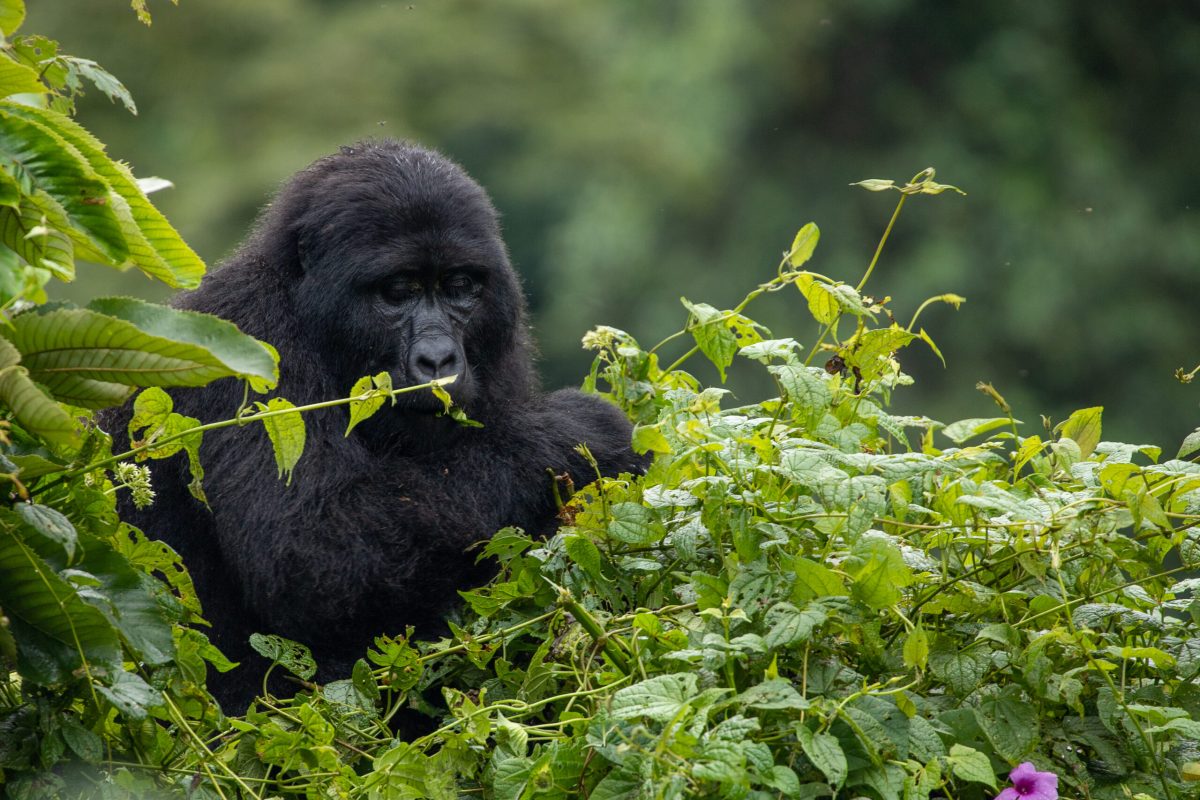
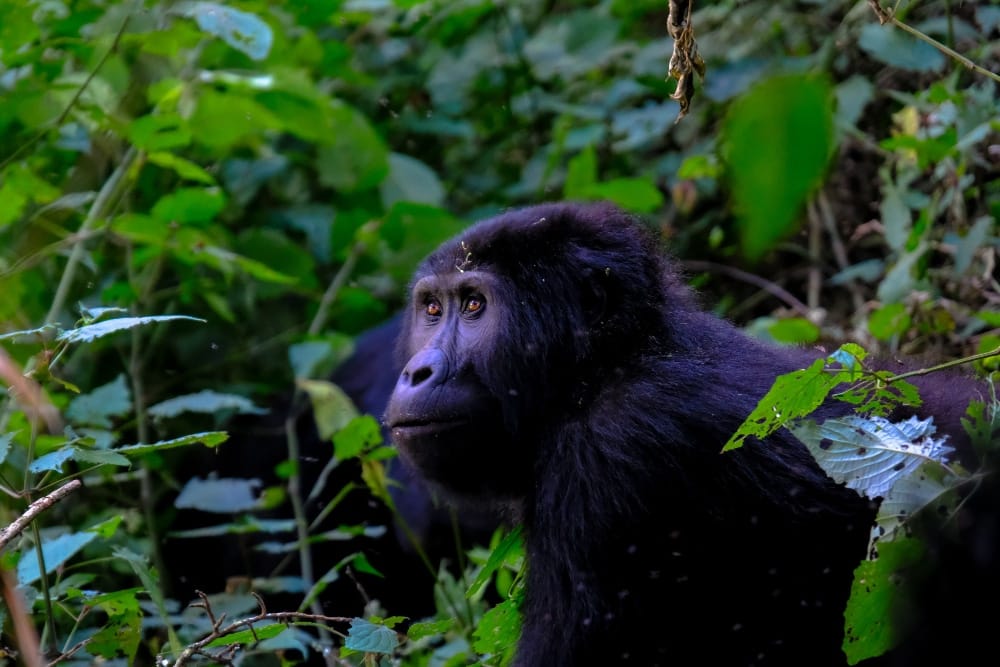
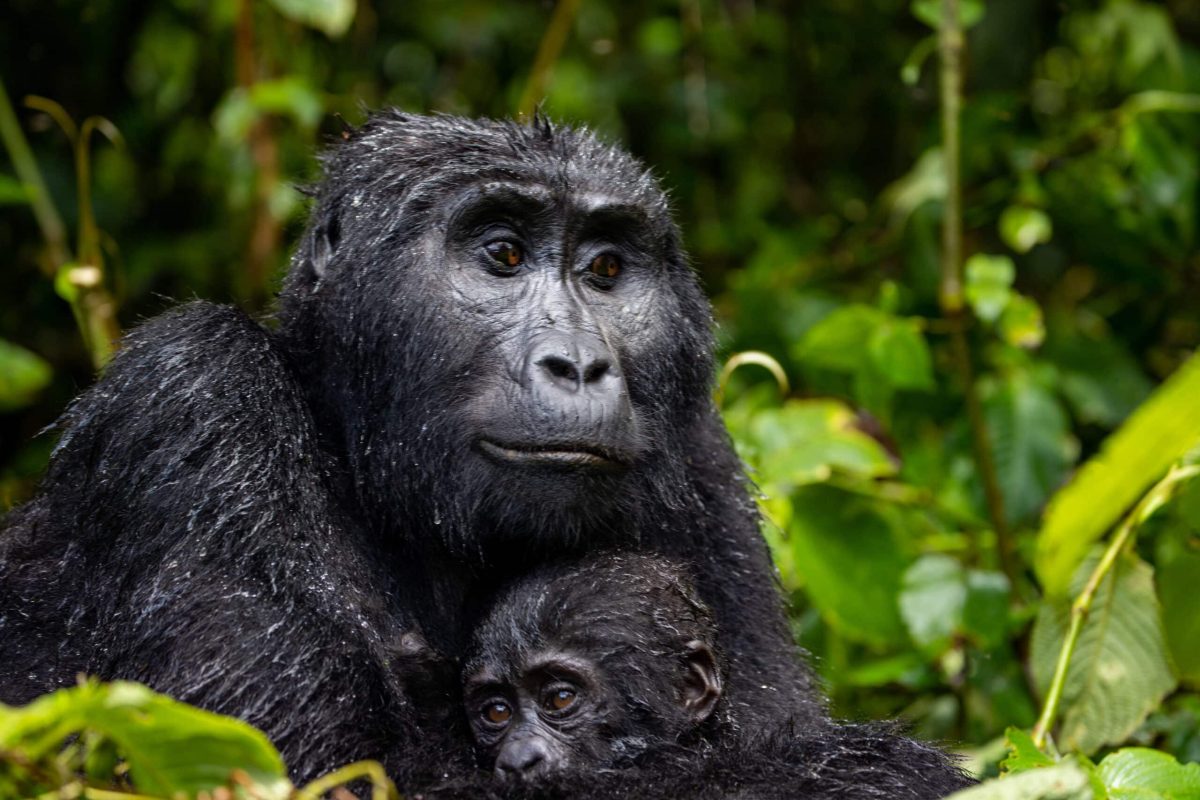
Is the gorilla viewing in Rwanda twice as good as Uganda? No. The animals are the same species, the encounters are equally regulated (one hour), and the magic of meeting a silverback is identical. You are paying the premium in Rwanda for convenience and exclusivity, not for “better” gorillas.
Insider Tip: For the same price as one hour in Rwanda ($1,500), you can book a Gorilla Habituation Experience in Uganda. This gives you four hours with the gorillas and researchers. If value is your metric, Uganda wins hands down.
The Terrain: Jungle vs. Bamboo
Your physical fitness will largely dictate which country you should choose.
Uganda (Bwindi): The “Impenetrable” Jungle
Bwindi is true to its name. It is a dense, prehistoric rainforest with thick undergrowth, vines, and steep, slippery ridges.
- The Hike: Can be grueling. You might hike 2-6 hours, often hacking through vegetation. It is humid, muddy, and wild.
- The Reward: You feel like an explorer. The forest itself is a character in the story—ancient and untamed.
Rwanda (Volcanoes): The Cinematic Stage
Volcanoes National Park feels less like a jungle fight and more like walking onto a film set. The air is crisper here, lacking the heavy humidity of Bwindi.
- The Atmosphere: You trek through open bamboo forests with the looming shadows of five massive volcanoes overhead. The mist clings to the peaks (Karisimbi, Bisoke, Sabinyo), creating a moody, ethereal backdrop that feels almost spiritual.
- The Hike: Generally easier than Bwindi, though still steep. The vegetation is open, meaning you aren’t hacking through vines. This often results in cleaner, more dramatic photography with better light.
Mgahinga: Where Gold Meets Silver
Often treated as an afterthought, Mgahinga Gorilla National Park is actually Uganda’s hidden gem—a place where “Gold” (Golden Monkeys) meets “Silver” (Silverbacks).
- The Setting: It shares the same dramatic volcanic skyline as Rwanda. You are trekking on the slopes of Mount Muhabura, Gahinga, and Sabinyo. The views are panoramic, often stretching all the way into the Congo.
- The Exclusivity: This is the most exclusive trek in Uganda, but not by price. There is only one habituated gorilla family here (the Nyakagezi group). This means only 8 permits exist per day. You will likely be the only group on the mountain.
- The Trek: Similar to Rwanda, the terrain is bamboo-heavy and more open than Bwindi, offering easier visibility.
- The Reality: Because permits are so scarce, this must be booked 6-12 months in advance. It is perfect for travelers who want the scenic drama of Rwanda at the value price of Uganda.
The Logistics: The “Time Tax”
This is where Rwanda usually wins the argument.
Rwanda: Seamless Convenience
You can land in Kigali and be at your lodge near the park in 2.5 hours. It is possible to do a gorilla trek over a long weekend. The infrastructure is polished, roads are tarmac, and everything runs like clockwork.
Uganda: The Expedition
Bwindi is remote. It requires either a 9-10 hour drive from Entebbe (scenic but tiring) or a scheduled flight to a bush airstrip (Kisoro or Kihihi) followed by a 1-2 hour drive.
- Ikigai’s Solution: On our Signature Journeys, we utilize Seamless AirLink® transfers to fly you directly into the rainforest, effectively neutralizing the “time tax.”
The Vibe: Wild vs. Manicured
Uganda feels raw. It is a massive, biodiverse ecosystem. You might see forest elephants, chimps (in nearby Kibale), and rare birds. The lodges are often tucked directly into the forest edge, feeling secluded and intimate.
Rwanda feels curated. The arrival experience is polished. The lodges are some of the most luxurious (and expensive) on the continent. It feels like a high-end park experience, whereas Uganda feels like a wilderness expedition.
The Verdict: Which One is For You?
Choose Rwanda If:
- Time is your enemy. You only have 3-4 days total.
- Luxury is non-negotiable. You want ultra-high-end lodges (think $2,000+ per night) and paved roads.
- Hiking is a concern. You want the “easiest” possible hiking conditions.
Choose Uganda If:
- You seek adventure. You want to earn your sighting and feel the weight of the jungle.
- You want value. You’d rather spend that extra $700 on a second trek, a flight upgrade, or a better lodge.
- You want depth. You want to combine gorillas with chimps, game drives in Queen Elizabeth National Park, and boat safaris.
Consider Mgahinga If:
- You want the scenic beauty of the volcanoes but the value of Uganda—and you are booking far enough in advance to snag one of the 8 daily permits.