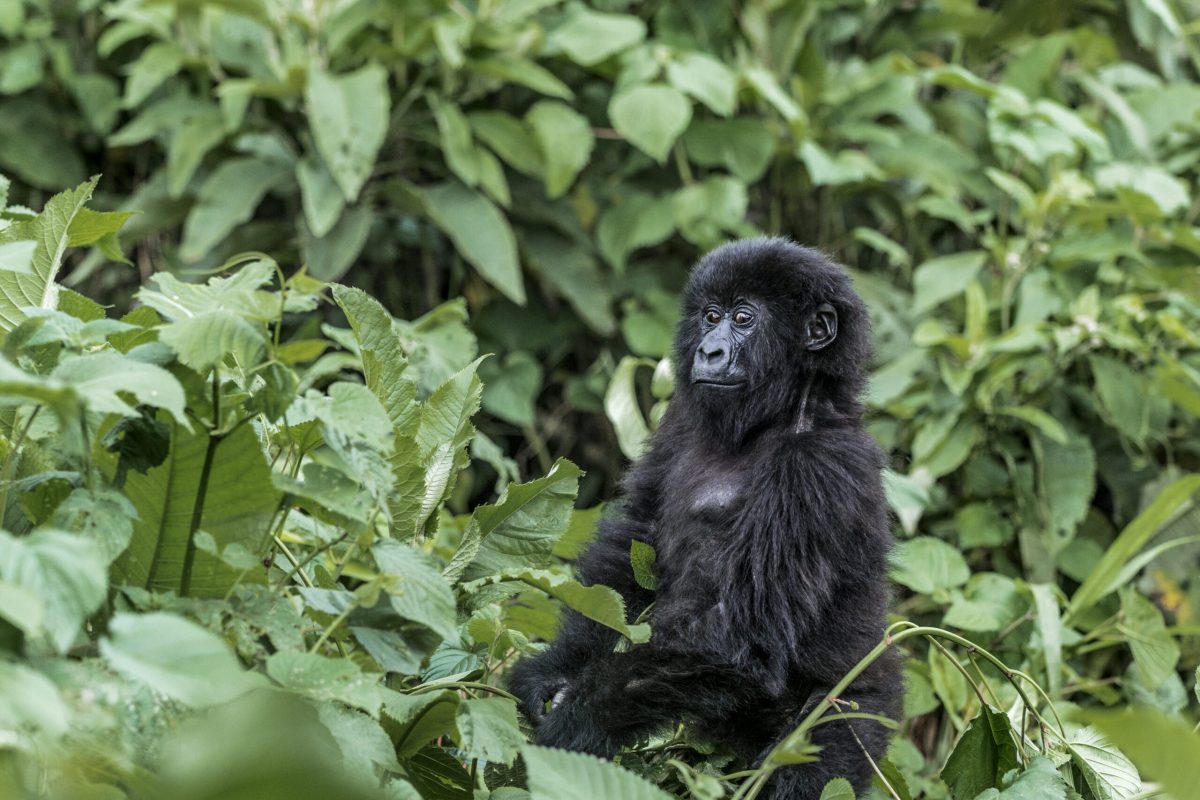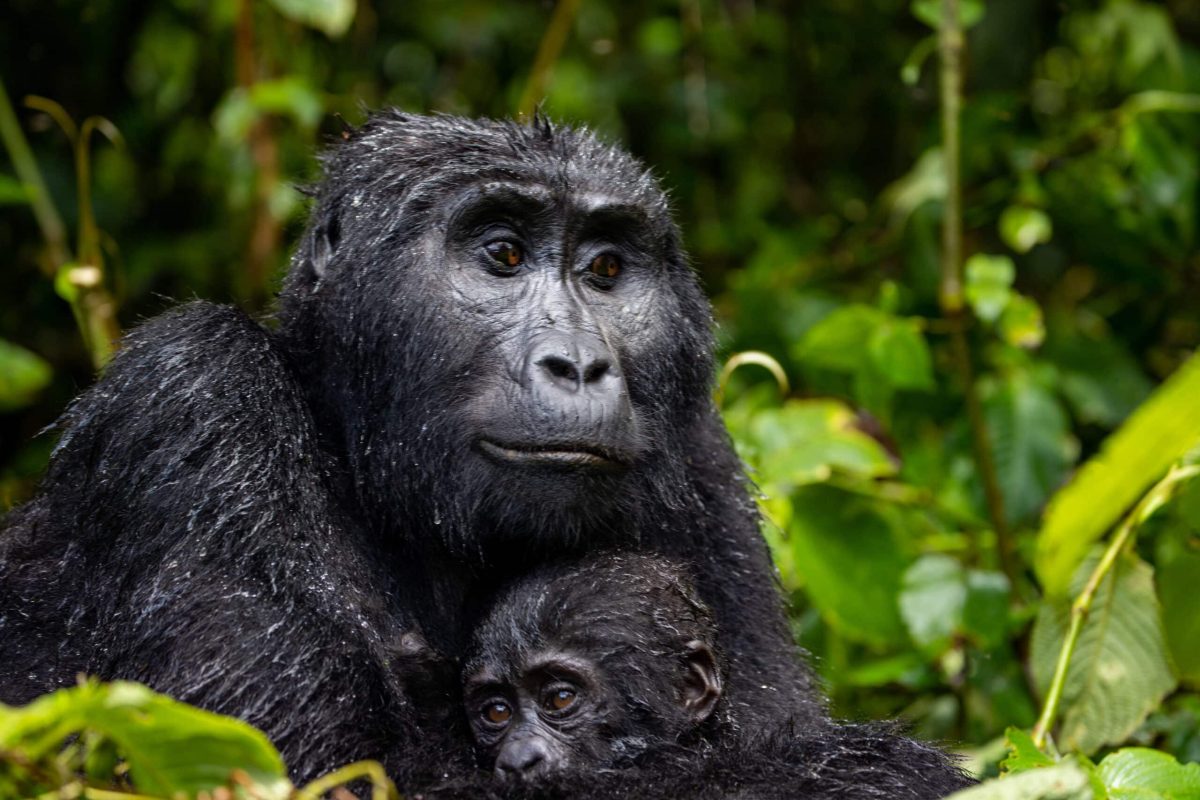
Facing a silverback gorilla in the wild is not just a wildlife sighting. It is a moment of profound connection that transcends the ordinary boundaries between human and nature.
If you are planning to sit a few meters from these gentle giants in 2026, you likely have questions about logistics, fitness, and choosing the right destination. This guide cuts through the noise. We break down exactly where to go, what it costs, and how to prepare for an expedition that is purposefully designed to help you discover your path.
The Experience: What Gorilla Trekking Really Is
Tracking mountain gorillas is an active, immersive pursuit. It is an expedition in the truest sense. You will hike through dense, mist-shrouded forests, navigating vines and muddy slopes. The trek can take anywhere from two to eight hours, depending on where the gorilla family is foraging that day.
When you finally locate the family, the fatigue vanishes. The silence of the forest is broken only by the snapping of bamboo or the deep chest beats of a silverback echoing through the mist. You spend one strictly monitored hour with them. It is a primitive, grounding experience that often leaves travelers silent and reflective.
Expert Insight: Don’t just watch through your camera lens. Take the first ten minutes to simply breathe and observe. Notice the texture of their fur and the human-like dexterity of their fingers. Connect with the moment.
Who This Is For (And Who It Isn’t)
To ensure this journey aligns with your expectations, it is vital to understand the nature of the expedition.
Who It Is For:
- Active Travelers: Those comfortable hiking on uneven terrain and willing to embrace physical effort for a high reward.
- Wildlife-First Explorers: Travelers who prioritize authentic encounters over perfectly manicured settings.
- Seekers of Depth: Guests looking for narrative-driven journeys that connect to the broader ecosystem and community.
Who It Is Not For:
- Passive Observers: Travelers expecting vehicle-based game viewing; you cannot drive to the gorillas.
- The Mobility Impaired (Without Assistance): The terrain is steep, muddy, and unpredictable. However, for guests with limited mobility, we can arrange a specialized sedan chair or bamboo stretcher service. This involves a dedicated team of ~8 porters carrying you safely into the forest. This service must be secured in advance (approx. $300–$500 per trek).
- Casual Sightseers: Anyone viewing this as a quick “tick-box” activity rather than a rigorous, immersive privilege.
Where You Can Trek Gorillas: Uganda vs. Rwanda
While mountain gorillas exist in the DRC, we focus our expertise on the two safest and most reliable destinations: Uganda and Rwanda.
Uganda: The Pearl of Africa
Uganda offers a rugged, authentic adventure defined by its biodiversity and depth.
- Terrain: Bwindi Impenetrable National Park is steep and thick. It requires a moderate level of fitness but rewards you with a true jungle expedition feel.
- Cost: Permits are significantly more affordable at $800 (compared to Rwanda’s $1,500), offering exceptional value for a longer, more diverse itinerary.
- Exclusive Experience: Uganda is the only country offering the Gorilla Habituation Experience ($1,500). This unique permit allows you to spend four hours with a semi-habituated family (vs. the standard one hour) alongside researchers, providing a deeper insight into conservation efforts.
- Vibe: This is for the adventurer seeking a raw connection with Uganda’s montane rainforest systems.
Rwanda: Land of a Thousand Hills
Rwanda offers a more accessible, often more luxurious infrastructure.
- Terrain: Volcanoes National Park is generally more open bamboo forest, often allowing for slightly easier photography and shorter treks.
- Cost: Permits are premium-priced at $1,500, reflecting the country’s high-end, low-volume tourism strategy.
- Vibe: Exclusive and convenient for those on tighter schedules.
When to Go Gorilla trekking: Seasonality & Conditions
Gorilla trekking is a year-round activity, but understanding the seasons helps manage expectations and gear. Crucially, remember that you are trekking in a tropical rainforest; regardless of the season, rain can fall at any time.
- Dry Season (June–September & December–February): These are the peak months. The forest trails are drier and easier to navigate, making this the preferred time for most travelers. However, demand is extremely high, and permits must be secured well in advance.
- Green Season (March–May & October–November): Heavy rains are more frequent, making slopes muddy and slippery. The upside is that the forest is lush, photography can be moody and dramatic, and permit availability is generally better.
Safety, Rules & Ethics
Visiting mountain gorillas is highly regulated to protect both the primates and the guests. Adhering to these rules is part of being a responsible traveler.
- Minimum Age: You must be at least 15 years old to trek.
- Distance Rule: You must maintain a distance of at least 7 meters (approx. 22 feet) from the gorillas at all times to prevent disease transmission. Note that gorillas may approach you, but you should never move closer to them.
- Health: If you are feeling ill or have a cold, you cannot trek. Gorillas share 98% of our DNA and are highly susceptible to human respiratory illnesses.
- Safety: You are always accompanied by armed rangers and expert trackers. Incidents are extremely rare, and the habituated families are comfortable with human presence.
The Logistics: Permits, Costs, and Scarcity
Securing a permit is the single most critical step in planning your journey.
- Scarcity is Real: Only a limited number of people are allowed to visit the gorillas daily. Permits for peak seasons often sell out 6 months in advance.
- Booking Protocol: You cannot just show up at the park gate. Permits must be secured at the time of booking your trip. At Ikigai, we handle this immediately to guarantee your departure.
- Inclusions: Your permit covers park entry, armed ranger guides, and one hour with the gorillas. It contributes directly to the conservation of the species and the support of local communities.
Preparation: Fitness and Packing
You do not need to be an Olympic athlete, but you do need to be mobile and prepared for variable conditions.
Fitness
Expect to walk for up to 6 hours in humid conditions. We recommend regular hill walking or stair climbing in the months leading up to your trip.
Packing Essentials
- Footwear: Broken-in, waterproof hiking boots are non-negotiable.
- Clothing: Long trousers and long-sleeved shirts to protect against nettles and insects. Ideally in neutral greens or browns.
- Gaiters: Essential for keeping safari ants and mud out of your trousers.
Gear: A waterproof daypack and a refillable water bottle.